ARGO and IDMBase
Documentation writes itself from the record.
Discharge letters, nursing documentation and private billing grow out of data the hospital already holds. IDMBase brings HIS, PDMS, PACS, lab and archive together into one shared FHIR data layer, and the ARGO modules run on top. Every statement carries its source, and people do the releasing.
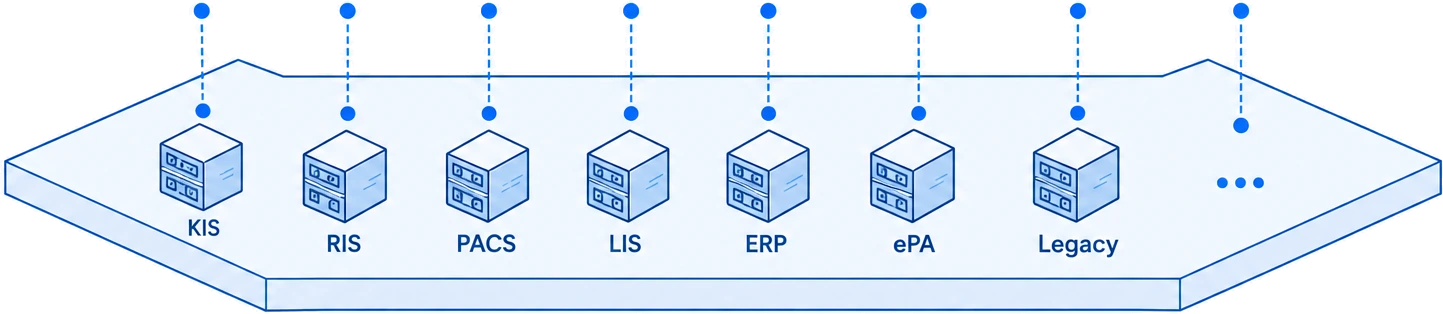 Heterogeneous systems
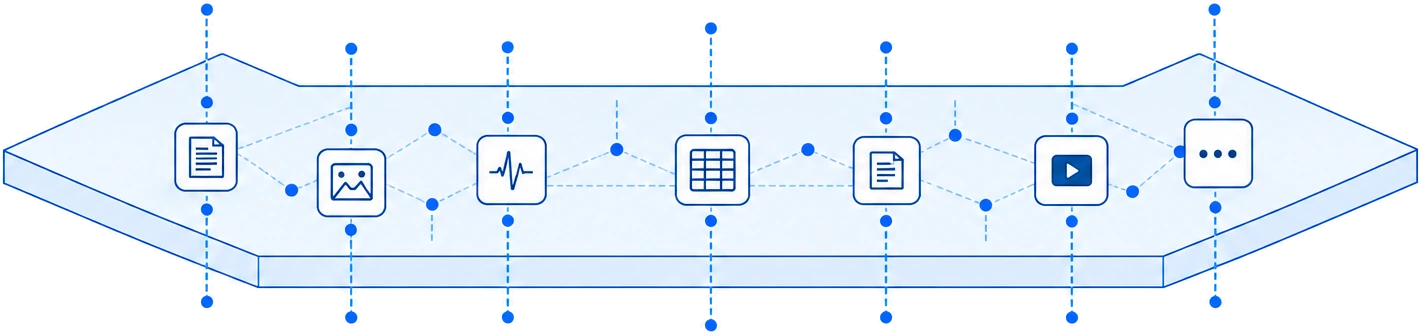 Heterogeneous data
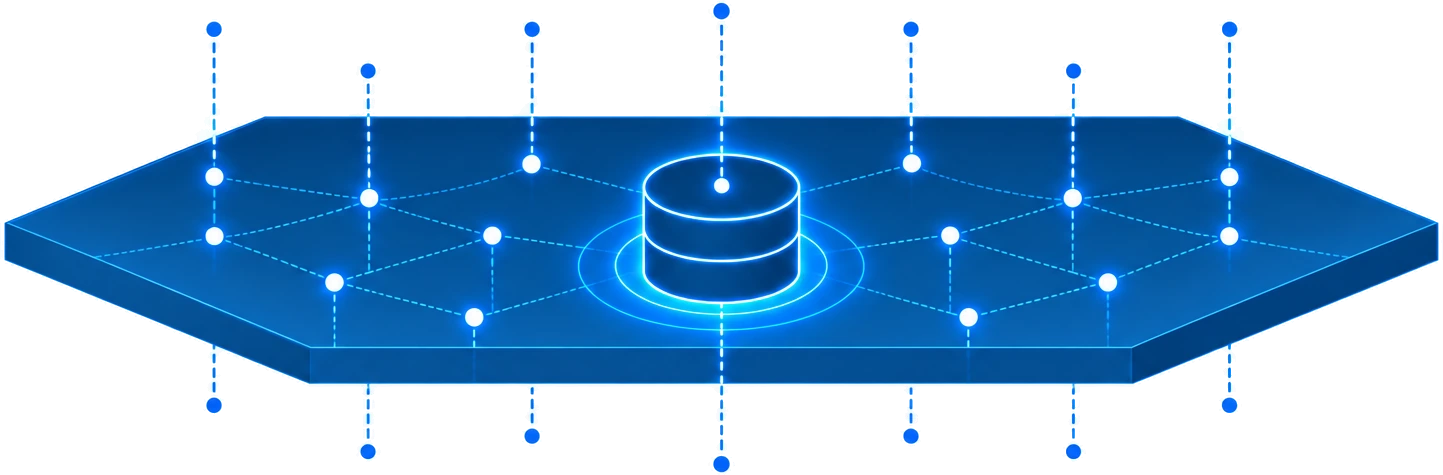 IDMBase
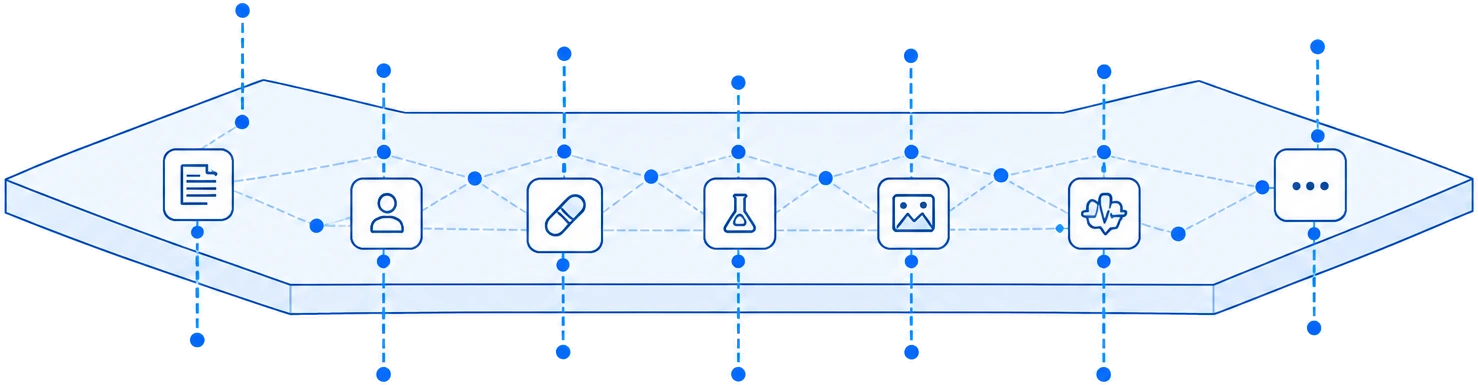 FHIR layer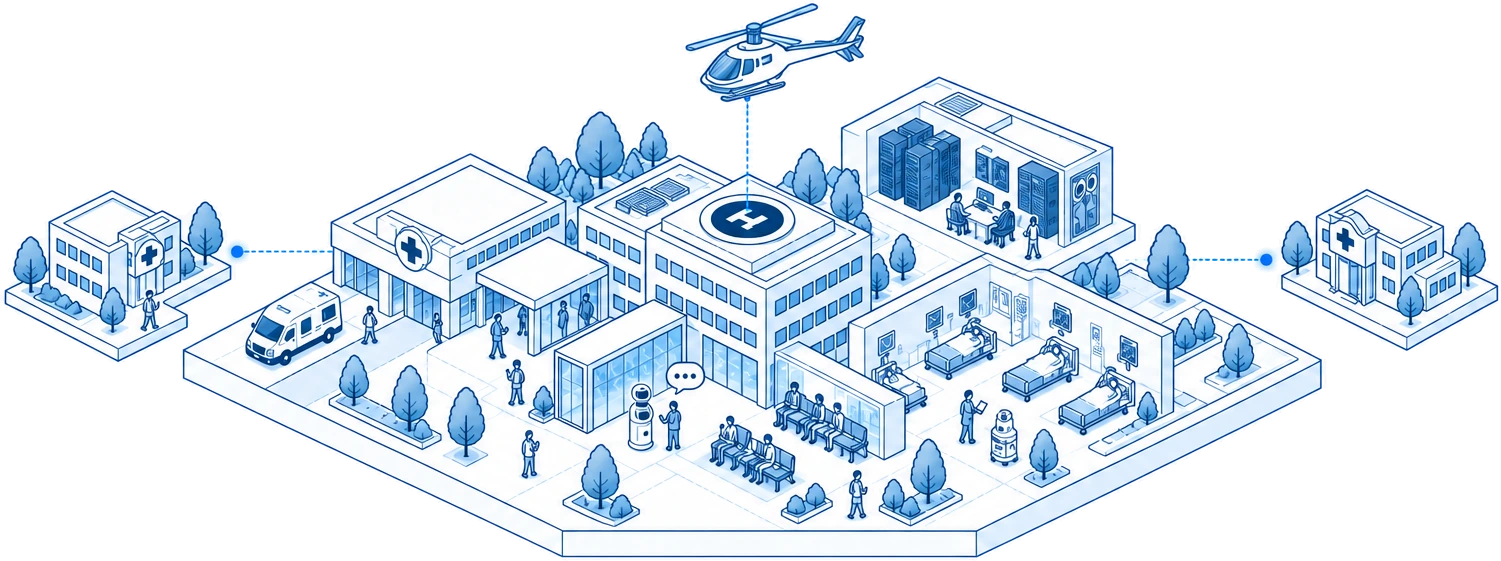
One data layer beneath every system in the hospital.
In clinical use at UKE since 2024, Schön Klinik since August 2026. On-premise, data stays in the hospital. Clinically trained models, developed and operated in Germany.
The platform
One workplace for everyone who works on the case.
Discharge letters, tasks and billing in one interface, on one data layer. Click through it, the data is fictional.
No patient selected
Select a case to open
Select a case to open
Open a case in the patient list on the left. The facets above then apply to that case.
Swipe sideways to see the full interface.
Example with fictional data.
The modules
Every module reads from the same FHIR layer and writes its results back into it. What one module documents is available to the next.
Discharge letters
Draft from the patient record, your hospital's approval process, versions, write-back to the archive.
Speech recognition in the workspace
Dictations from ORPHEUS land directly in ARGO and are ready for documentation.
Nursing and ward documentation
Time grid for the ward, task sets per department, shift handover, ward metrics.
Private billing under GOÄ
Draft invoice with GOÄ codes, multiplier and justification. Released by the billing team.
Tasks
A board for the ward: open, assigned and overdue tasks across all professions, created from the documentation itself.
Longitudinal patient record
Lab values, medication and diagnoses across long time spans in one view. The history is already held in IDMBase; the view itself is in development.
Nursing workload under PPR 2.0
Daily classification proposed from existing assessments and progress data.
Coding
Diagnosis and procedure codes derived from ongoing documentation.
Your module
Our aim is a new module in weeks instead of years, built with you and then open to every hospital.
Get in touchAs of September 2026

In routine operation at University Medical Center Hamburg-Eppendorf since 2024 and at Schön Klinik since August 2026. Development, training and operation in Germany.
Rolling out
Private billing under GOÄ
The documented case becomes an invoice draft. Every line carries its GOÄ code, the multiplier and its sources from the record. Billing reviews and releases.
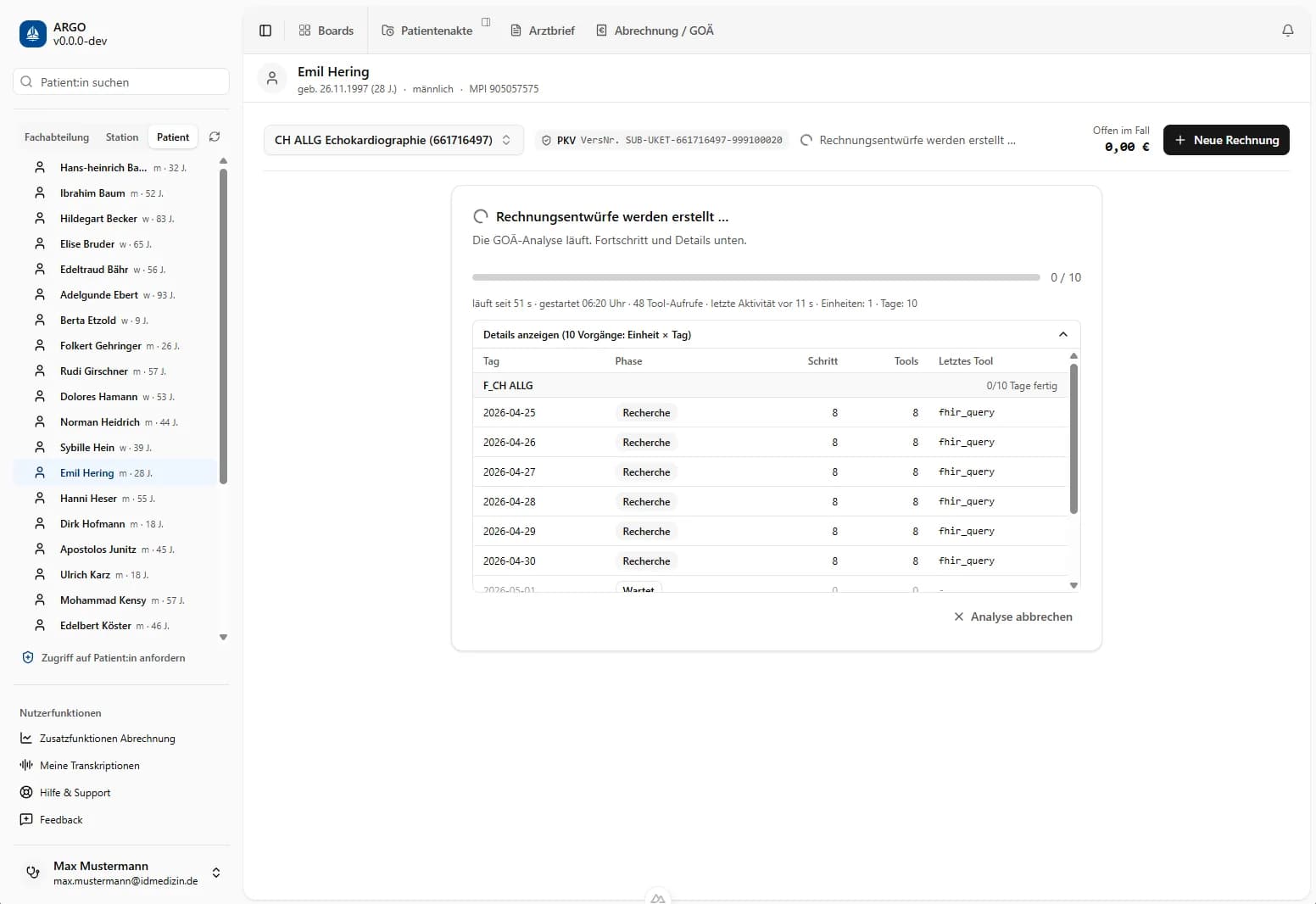
Swipe sideways to see the full interface.
Currently rolling out.
Runs on your infrastructure
ARGO runs on-premise on your hospital's own infrastructure. The data never leaves the hospital network. HIS, PDMS, PACS, lab, archive and VDI are connected without interrupting clinical operations. Development, training and operation all take place in Germany. Model quality is continuously reviewed by medical professionals.
In conversation
Independent reporting on ARGO in use at UKE.
heise online, KI-Update
Hospitals are building their own language models
In the heise online deep dive, Nils Schweingruber explains why IDM works as a non-profit subsidiary of UKE and why not every hospital should build its own language model. The conversation is about data sovereignty, shared development and what hospitals actually need.


Frequently Asked Questions
What hospital IT, medical leadership and administration want to know before adopting ARGO.
What is ARGO?
A platform for clinical documentation. IDMBase connects a hospital's systems and converts their data into the FHIR standard. Modules for individual documentation tasks run on top of it, today discharge letters, nursing and ward documentation, and private billing.
Which modules are live today, and which are not?
Discharge letters have been in use at University Medical Center Hamburg-Eppendorf since 2024 and at Schön Klinik since August 2026. Nursing and ward documentation is piloting on the first wards. Private billing under GOÄ is currently rolling out. The longitudinal patient record, nursing workload under PPR 2.0 and coding are in development and not available today.
Is ARGO a medical device?
No. ARGO and IDMBase are not medical devices. The modules produce drafts and suggestions. The final clinical decision stays with the physician, and no result leaves the system without human approval.
Where does ARGO run?
On-premise on the hospital's own infrastructure. The data never leaves the hospital network. Development, training and operation all take place in Germany.
How does ARGO integrate with existing systems?
Through IDMBase. Specialised connectors read from HIS, PDMS, PACS, lab and archive, the data is converted to FHIR and stored in the interoperability platform. The way back runs over HL7, so documents produced in ARGO are visible in the existing systems too.
What was ARGO-CL?
The earlier name for the discharge letter module. Today the letter is one of several modules on the ARGO platform, and the name ARGO-CL is no longer used.
Get to know ARGO
Let's talk about your system landscape. A demo, a pilot, or a first conversation about interoperability.
You can reach us by phone at +49 40 7410 39300, Mon to Fri, 9 AM to 5 PM CET.